Getting Started A Guide To Starting Selling Camping Tents Online
## Exactly How Waterproof Canvas Safeguards Campers in Heavy RainThere is a particular sort of dread that sets in when you listen to thunder rolling in while you are miles from the local sanctuary. For campers, rainfall is not just an aggravation-- it is an authentic hazard to warmth, safety, and rest. Yet generations of outdoor fanatics have encountered torrential downpours and appear dry beyond, mostly thanks to one reliable product: waterproof canvas. Recognizing how it functions and why it performs so well in hefty rain can assist you make smarter choices before your following trip right into the wilderness.
What Makes Canvas Waterproof?
Canvas in its raw kind is a heavy, securely woven fabric-- generally made from cotton, though modern versions often blend artificial fibers like polyester. On its own, without treatment cotton canvas absorbs water instead of repelling it. The transformation right into a water-proof material takes place through treatment and weave design.
The Role of Wax and Chemical Coatings
One of the most traditional technique of waterproofing canvas entails wax-- paraffin or beeswax-- worked into the material's fibers. When wax loads the microscopic spaces in between threads, water molecules can not pass through easily. The surface stress of rain triggers beads to bead up and roll off instead of soak through.
Modern water-proof canvas often utilizes artificial coatings such as polyurethane or silicone-based treatments. These produce an adaptable, durable barrier throughout the textile surface. Unlike wax, they do not need routine re-application as regularly and can be engineered to use differing levels of water resistance depending on the meant usage.
Limited Weave and String Swelling
One amazing and typically forgot feature of cotton canvas is what happens when it first splashes. The cotton fibers soak up a percentage of moisture and swell slightly, triggering the weave to tighten up. This all-natural action in fact improves the fabric's water resistance in time, securing little voids in between threads. It is one reason high quality canvas camping tents can do far better after their initial rain than they do fresh out of the bag.
How Waterproof Canvas Carries Out in Heavy Rain
When rainfall is light, nearly any kind of sanctuary will certainly do. The actual test of a material is what happens during a sustained downpour-- the kind of storm that sends water sheeting down in curtains and pools across the ground.
Sustained Water Resistance Under Pressure
Water resistant canvas is rated by its capability to withstand hydrostatic stress, determined in millimeters. This number stands for exactly how high a column of water the material can hold before water pushes with. Durable canvas camping tents usually bring scores well over what most camping rainstorms create, implying water that hammers the surface for hours will not find its way inside.
Breathability Avoids Condensation
One of the most underappreciated advantages of canvas over cheaper artificial outdoor tents products is breathability. Light-weight nylon or polyester outdoors tents, while waterproof on the outside, camping furniture for tents typically trap warm, moist air within. When that air fulfills the cool outdoor tents wall surfaces, condensation types-- leaving campers damp even without a single leakage. Water-proof canvas, specifically cotton-based ranges, enables a controlled exchange of air vapor while still blocking fluid water. The outcome is a drier, a lot more comfortable interior even via a lengthy night of heavy rain.
Durability Via the Tornado
Canvas is significantly heavier than synthetic choices, yet that weight includes advantages in severe climate. The product withstands tearing from wind-driven rain, holds its form under tons, and deals with the tension of water merging on surface areas without quickly puncturing or flawing. Joints in high quality canvas tents are commonly enhanced and treated with extra sealant, removing the pinhole leakages that afflict minimal sanctuaries.
Choosing and Maintaining Water-proof Canvas Gear
Not all waterproof canvas is equivalent. When choosing a tent or tarpaulin, search for a high hydrostatic head rating, enhanced stitching at stress and anxiety factors, and a respectable treatment approach-- whether conventional wax or a quality artificial covering.
Maintaining Your Canvas in Height Condition
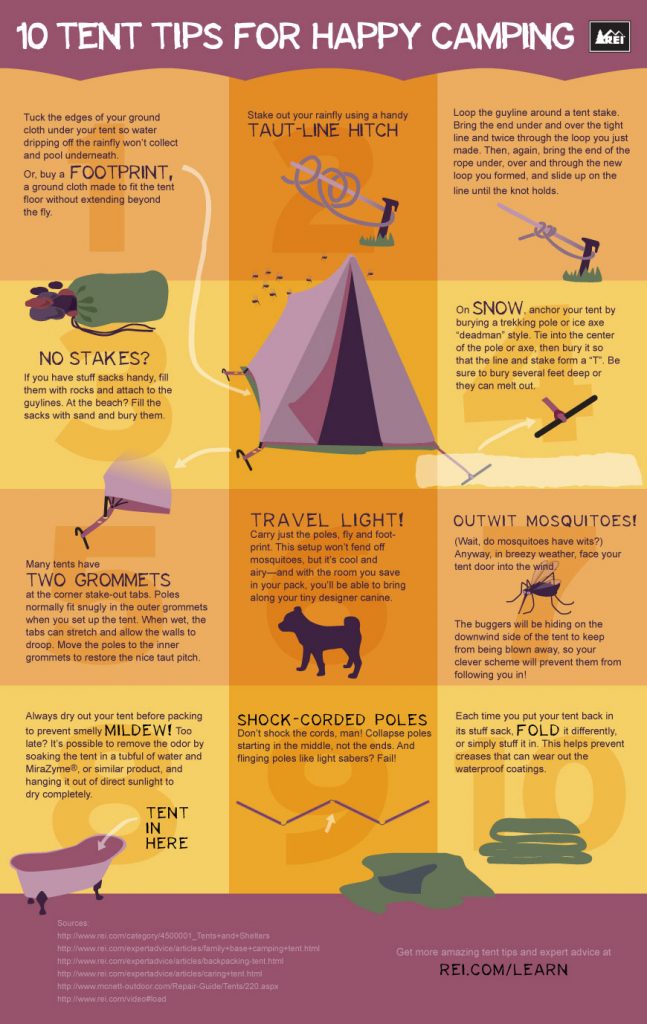
Water-proof canvas requires standard however consistent treatment. Always completely dry it thoroughly prior to saving to prevent mildew, which degrades both the fibers and the waterproofing therapy. Wax-treated canvas should be re-waxed occasionally, particularly at joints and high-wear areas. Synthetic-coated canvas gain from a re-spray of DWR (long lasting water repellent) treatment after a number of periods of use.
When the sky opens and rain hammers down dog-eat-dog, water resistant canvas does what it has actually done for campers for over a century-- it holds the tornado at bay and maintains the people inside warm, completely dry, and prepared for the morning ahead.